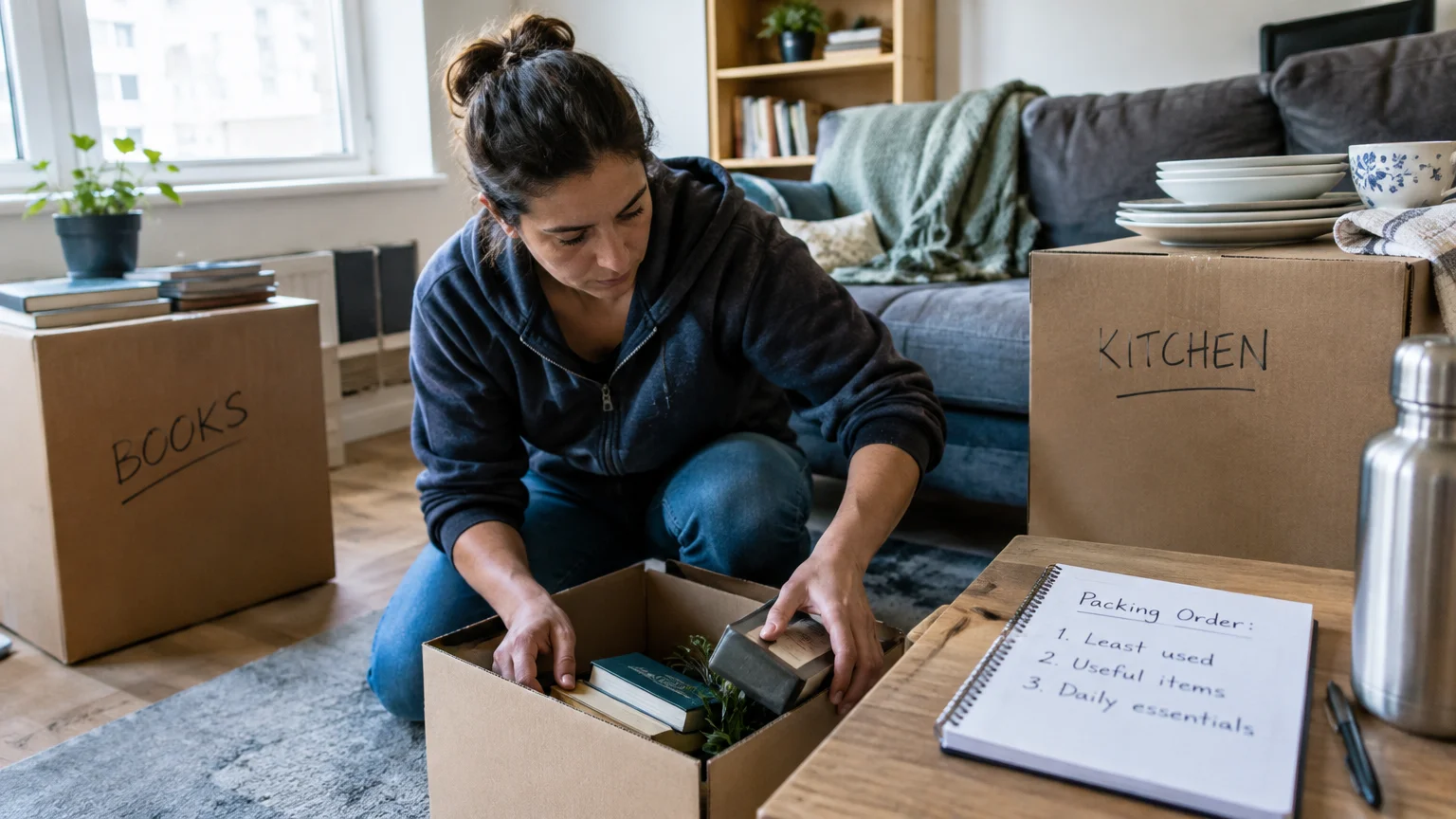
The best moving tips for packing start with one simple rule: pack rarely used items first and daily needs last. Keep medicine, clothes, toiletries, chargers, food, pet items, and work tools easy to reach. After arrival, unpack bedding, bathroom supplies, and basic kitchen items before anything less urgent.
Moving can feel tiring when normal routines change at once. A clear order helps homeowners, tenants, and business owners protect their time and stay calm. Hot Springs Arkansas Movers helps people plan careful packing, loading, transport, and unpacking support when a move feels too large to handle alone.
Table of Contents
- What should you pack last before moving day?
- What should you unpack first after a move?
- How should you organize packing by room and priority?
- What items should never go inside the moving truck?
- How can you pack efficiently when moving on a short timeline?
- How do you prepare an essentials box for moving day?
- What is the best way to make unpacking easier?
- Frequently Asked Questions
What should you pack last before moving day?
The last items to pack should help you live normally through moving day. This often includes toiletries, medicine, clothes, chargers, food, cleaning supplies, pet items, and work tools. Put each group in a small bag or box that stays easy to reach.
Everyday essentials to keep accessible
You may need to brush your teeth, change clothes, make a drink, or clean a spill before leaving. Keep soap, towels, toilet paper, paper towels, simple dishes, snacks, water, and a first-aid kit nearby. Add phone and laptop chargers, glasses, contact supplies, and daily medicine.
A small personal bag can hold keys, wallets, papers, medicine, and other important items. Keep these belongings with the owner instead of inside a loaded box. An essentials box can travel in the family car or stay at the front of the moving vehicle.
Items to leave out for children, pets, and work
Children may need familiar clothes, comfort items, snacks, and simple activities. Pets need food, water bowls, leashes, waste bags, and regular medicine. Keeping these items ready can prevent a rushed search during a busy day.
Adults may need a laptop, headset, papers, chargers, or other work tools. Tenants should also keep keys, building access items, and cleaning supplies close by. For an office move, mark one box for the tools needed to reopen basic work areas.
What should you unpack first after a move?
Unpack the items that help people sleep, wash, eat, work, and care for others. The first box should support the first night, not finish the whole home. A short list of needs can make the new space useful before every box has a place.
The first-night essentials box
Start with bedding, pillows, towels, soap, toilet paper, medicine, chargers, and fresh clothes. Add simple food, cups, dishes, trash bags, and cleaning wipes. A flashlight, scissors, basic tools, and spare batteries can help with small setup jobs.
Use a bold label on more than one side of the box. Place it in the room where it will be used, or keep it in a personal vehicle. This keeps you from opening many boxes to find one needed item.
Rooms that help the household function
The bathroom is often the first room to set up. Next, make sleeping areas ready, then arrange a simple kitchen space. People can rest and manage meals while other rooms wait.
A home office may come next if work cannot stop. In a business move, the priority may be the reception desk, key equipment, files, and employee work areas. Hot Springs Arkansas Movers can help people plan tasks around these daily needs.
How should you organize packing by room and priority?
Packing works best when each box has one clear purpose and home. Sort belongings into essential, useful, and nonessential groups before sealing boxes. This keeps low-priority items from taking the space or attention needed for daily life.
The difference between essential, useful, and nonessential items
Essential items are needed on moving day or the first night. Useful items help the household run during the first few days. Nonessential items can wait until the main rooms work well.
A simple moving checklist can look like this:
- Essential: medicine, documents, chargers, keys, toiletries, clothes, pet supplies, and basic food.
- Useful: extra linens, common cookware, children’s books, office supplies, and cleaning tools.
- Nonessential: decorations, seasonal items, extra books, and rarely used storage items.
This system also helps you decide what not to move. Broken or unwanted items can be donated, recycled, or discarded before packing. When you declutter before moving, you have fewer boxes to label and open.
How to label boxes for faster unpacking
Write the room, main contents, and priority on every box. A label such as “Kitchen—daily dishes—open first” helps more than one that only says “Kitchen.” Mark fragile items on several sides, not only on top.
A color system can help, but words should still appear on each box. Keep a short list of contents for important boxes. Avoid packing different rooms together unless the box shows both locations clearly.
What items should never go inside the moving truck?
Personal essentials, valuables, important papers, and many hazardous materials should not go inside a moving truck. Keep anything you may need quickly with you. Movers may also restrict items that could leak, burn, explode, or harm other belongings.
Documents, valuables, medications, and personal essentials
Birth certificates, passports, financial records, legal papers, jewelry, cash, small electronics, and keepsakes should stay with the owner. Medicine should remain easy to reach during travel. The same applies to medical devices, glasses, and health records.
A personal bag protects these items from delays and makes them easy to find. Keep it under direct care instead of inside a box that may be unloaded later. Business owners should use the same care with contracts, access cards, backup drives, and private records.
Hazardous or restricted household materials
Many movers do not carry fuel, propane, fireworks, ammunition, paint, strong chemicals, or some batteries. Cleaning products can leak and damage furniture or boxes. Ask the moving company about any item that may be unsafe before packing it.
You can handle normal sorting and cleaning yourself, but hazardous materials need special care. Local disposal rules may apply to chemicals, old fuel, and other restricted goods. Do not put an unknown substance in a sealed box. Keep it separate until the right disposal method is clear.
Some large or delicate items need a separate plan. A piano, safe, heavy machine, or fragile artwork may need specialty movers and extra protection. Solar equipment and other large home systems may need similar care. Discuss these items before moving day instead of adding them at the last minute.
How can you pack efficiently when moving on a short timeline?
A short timeline calls for a clear order, not rushed guessing. Start with items used least often, then pack useful belongings, and leave daily needs for last. A written moving checklist helps each person work without repeating the same job.
A practical order for compressing the packing schedule
First, remove unwanted items and gather boxes, paper, tape, markers, and wrap. Next, pack storage areas, seasonal belongings, decorations, spare linens, and books. Then pack extra kitchen items, spare clothes, and things used only from time to time.
The final stage covers daily-use rooms. Keep enough clothing, food, toiletries, medicine, chargers, and cleaning tools for the remaining time. Seal each box before starting another room so loose items do not spread across the home.
When time is tight, professional Packing Services can help with sorting, wrapping, and labeling. You do not need professional help for every task. Simple decluttering, labeling, and packing soft items can often be done safely on your own.
How to divide tasks among household members
Give each person one clear area or job. One person can label boxes, another can wrap dishes, and another can sort items for donation. Children can pack safe items such as books or stuffed toys while an adult checks the last box.
Use a shared list to track rooms and priority boxes. Take short breaks to avoid damage from tired lifting or rushed packing. Keep heavy boxes small, and do not bury fragile boxes under dense items.
For an urgent apartment move, Apartment Movers or Same-Day & Last-Minute Movers may help with tight access, stairs, elevators, loading, and transport. A local moving company still needs clear instructions, a ready path, and packed priority items.
How do you prepare an essentials box for moving day?
An essentials box should contain what the household needs during travel, arrival, and the first night. Pack it last, label it clearly, and keep it apart from ordinary boxes. Preparing one for each person can make personal needs easier to manage.
Kitchen, bathroom, clothing, and cleaning supplies
The kitchen part can include water, snacks, paper plates, cups, utensils, a can opener, coffee or tea supplies, and simple food. The bathroom part can include toilet paper, soap, towels, toothbrushes, toothpaste, and daily care items.
Add one change of clothes, sleepwear, basic shoes, and weather-ready layers. Cleaning supplies can include paper towels, wipes, trash bags, gloves, and a small broom or cloth. Keep food and medicine in a safe place during travel.
Tools and supplies for arrival and setup
A small tool kit can help with screws, handles, furniture adjustments, and basic setup. Add scissors, a box cutter, tape, markers, a flashlight, batteries, and phone chargers. Store sharp tools safely around children.
Pets need their own travel kit with food, water, bowls, leads, waste bags, and comfort items. Children may need books, headphones, snacks, and a familiar toy. Business owners can add secure login details, chargers, signs, and supplies needed to reopen.
A local moving team can help plan where priority boxes should go. Hot Springs Arkansas Movers can discuss packing support with people who want a safer and more orderly move. A moving estimate can help you understand the work needed, and the final cost is confirmed on a quote.
What is the best way to make unpacking easier?
The best way to make unpacking easier is to pack in the order each room will be used. Label boxes with the destination room and priority, then place them there during unloading. This reduces extra lifting and helps the household settle one useful area at a time.
Packing for the order items will be used
Pack the first-night box after regular boxes. Follow it with bathroom supplies, bedding, basic kitchen items, work tools, children’s needs, and pet supplies. Decorations, seasonal items, and long-term storage can wait until the home works well.
Take a quick photo of cable connections before unplugging electronics. Keep screws and small parts in labeled bags attached to the related item. Furniture Movers can help with large pieces that need careful lifting, stairs, or protection during transport.
Do not force every box open on the first day. Open one room at a time and flatten empty boxes as you work. A calm pace lowers clutter and makes it easier to notice damage, missing parts, or items in the wrong room.
Key takeaways for a smoother move
- Pack daily-use items last and keep them under direct control.
- Unpack bedding, bathroom supplies, medicine, food, and chargers first.
- Label every box with its room, main contents, and priority.
- Keep valuables, documents, medicine, and restricted materials out of the truck.
- Ask for professional help when the move includes heavy, fragile, urgent, or specialty items.
The goal is not to unpack everything at once. The goal is to make the new home or workplace useful as soon as possible. With a simple order, clear labels, and the right help, moving day in Hot Springs can feel easier to manage.
Frequently Asked Questions
What should go in a first-night moving box?
A first-night box should hold bedding, towels, toiletries, medicine, chargers, clothes, simple food, water, and basic cleaning supplies. Add tools, scissors, trash bags, and pet or child supplies when needed. Keep it in a personal vehicle or where it can be reached before other boxes are unloaded.
Should valuables go in the moving truck?
Valuables such as jewelry, cash, legal papers, passports, small electronics, and keepsakes should stay with the owner. Medicine and important records should also remain easy to reach. Keeping these items nearby lowers the chance of delay, loss, or confusion during loading and arrival.
How can a household pack quickly?
A household can pack quickly by removing unwanted items first, then starting with storage and rarely used belongings. Each person should have a clear task, such as wrapping, labeling, or sorting. Daily essentials should stay out until the final stage, and finished boxes should be sealed right away.
What should not be packed with household goods?
Fuel, propane, fireworks, ammunition, paint, strong chemicals, and some batteries may be restricted. Rules differ by mover and item, so ask before packing anything that could leak, burn, explode, or cause harm. Unknown substances should remain separate until proper disposal is confirmed.
Is professional packing help necessary for every move?
No. Many people can safely pack clothing, books, linens, and other light items themselves. Professional help is useful for fragile goods, heavy furniture, urgent moves, large homes, offices, or limited time. The right choice depends on the move’s size, access, schedule, and comfort with lifting and packing.
For moves in Hot Springs, a moving team can review the work before moving day. Contact us to request a quote from Hot Springs Arkansas Movers for moving or packing help.